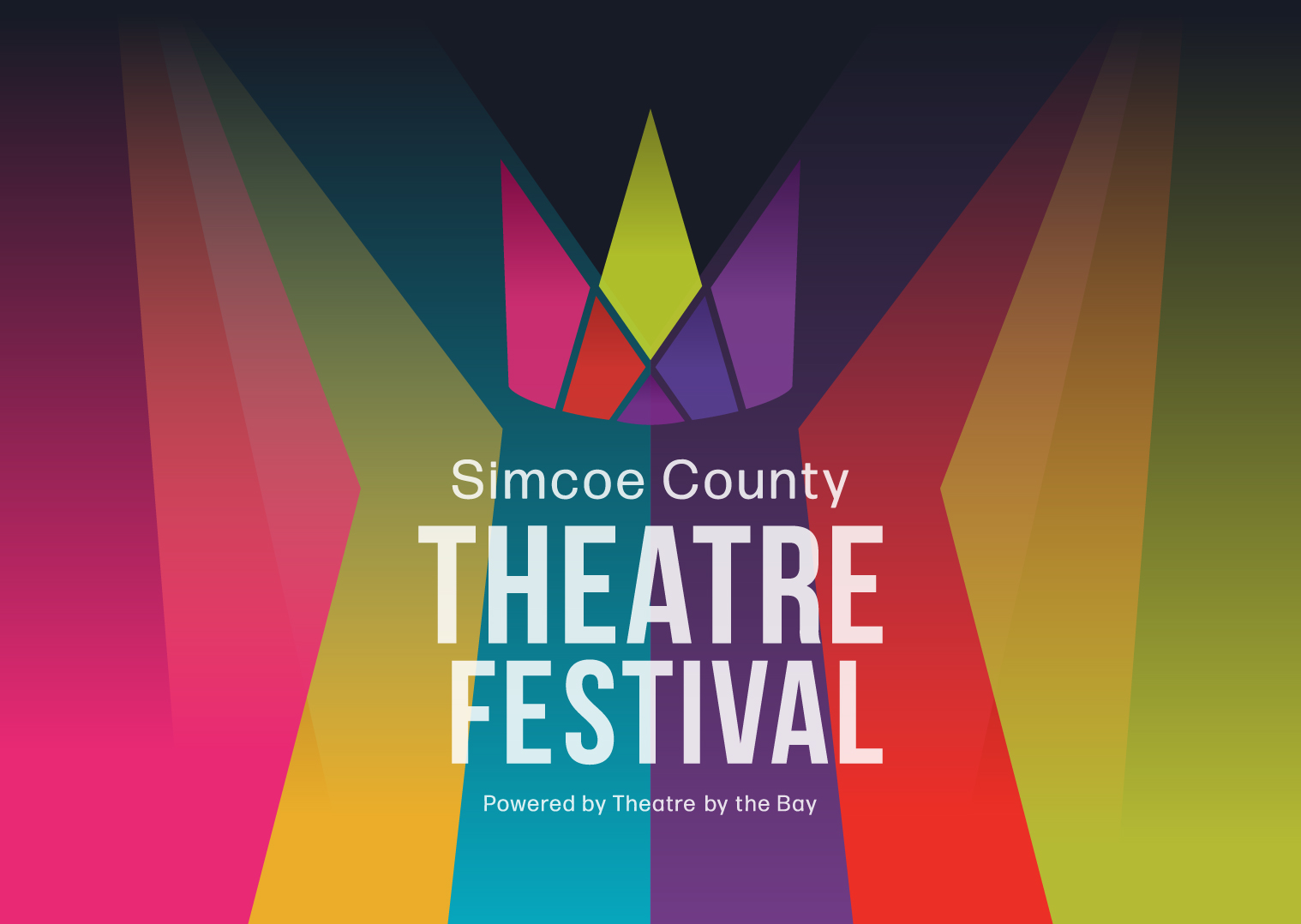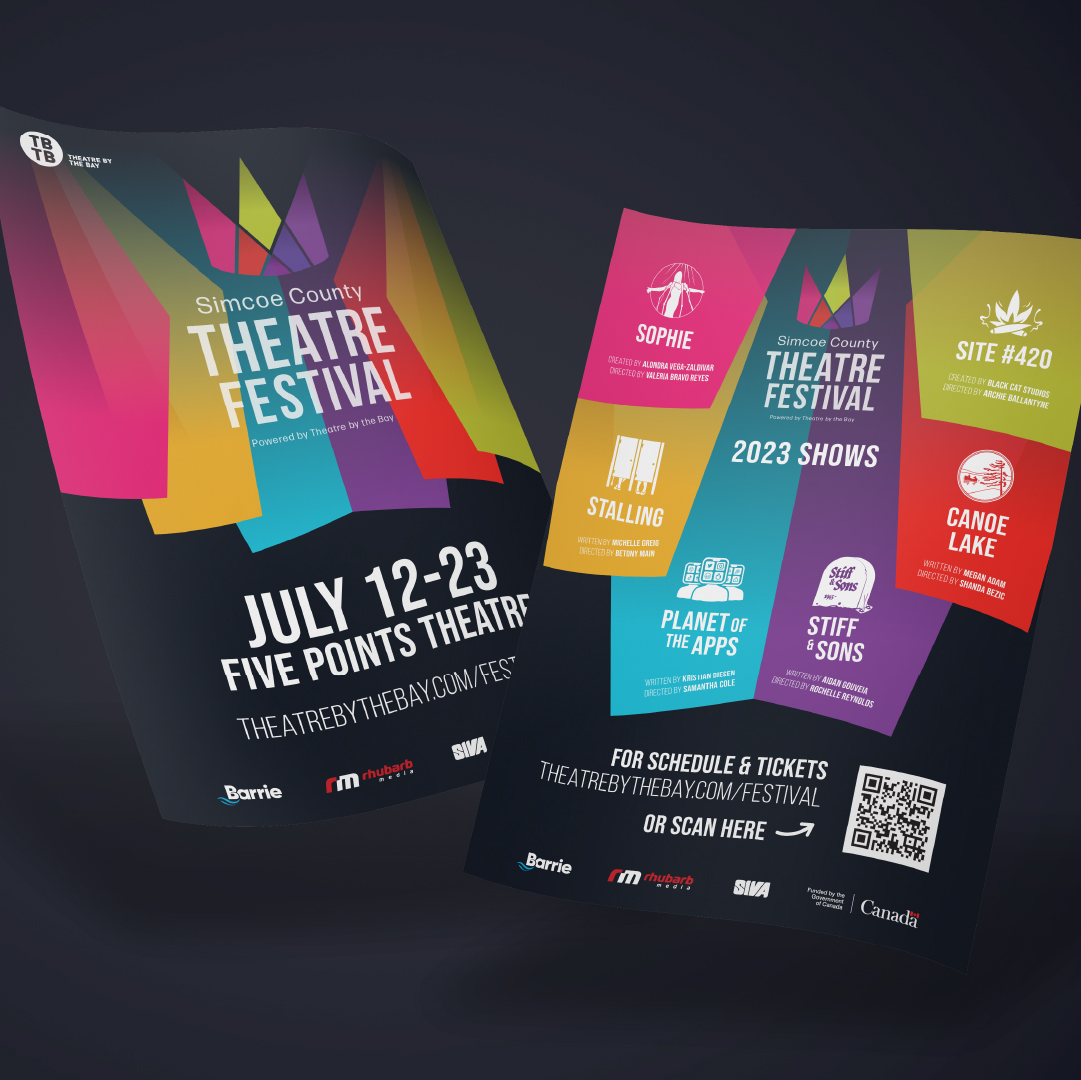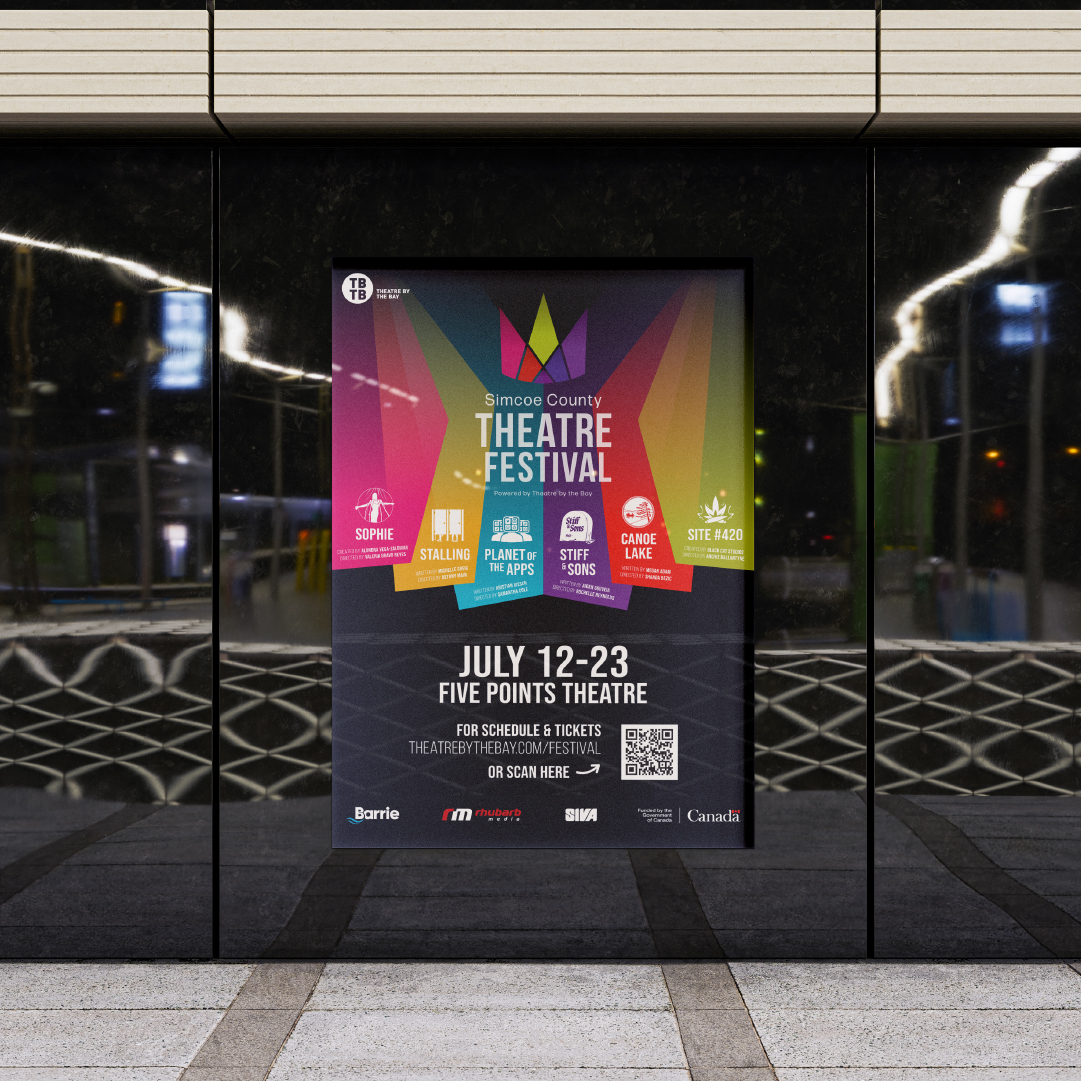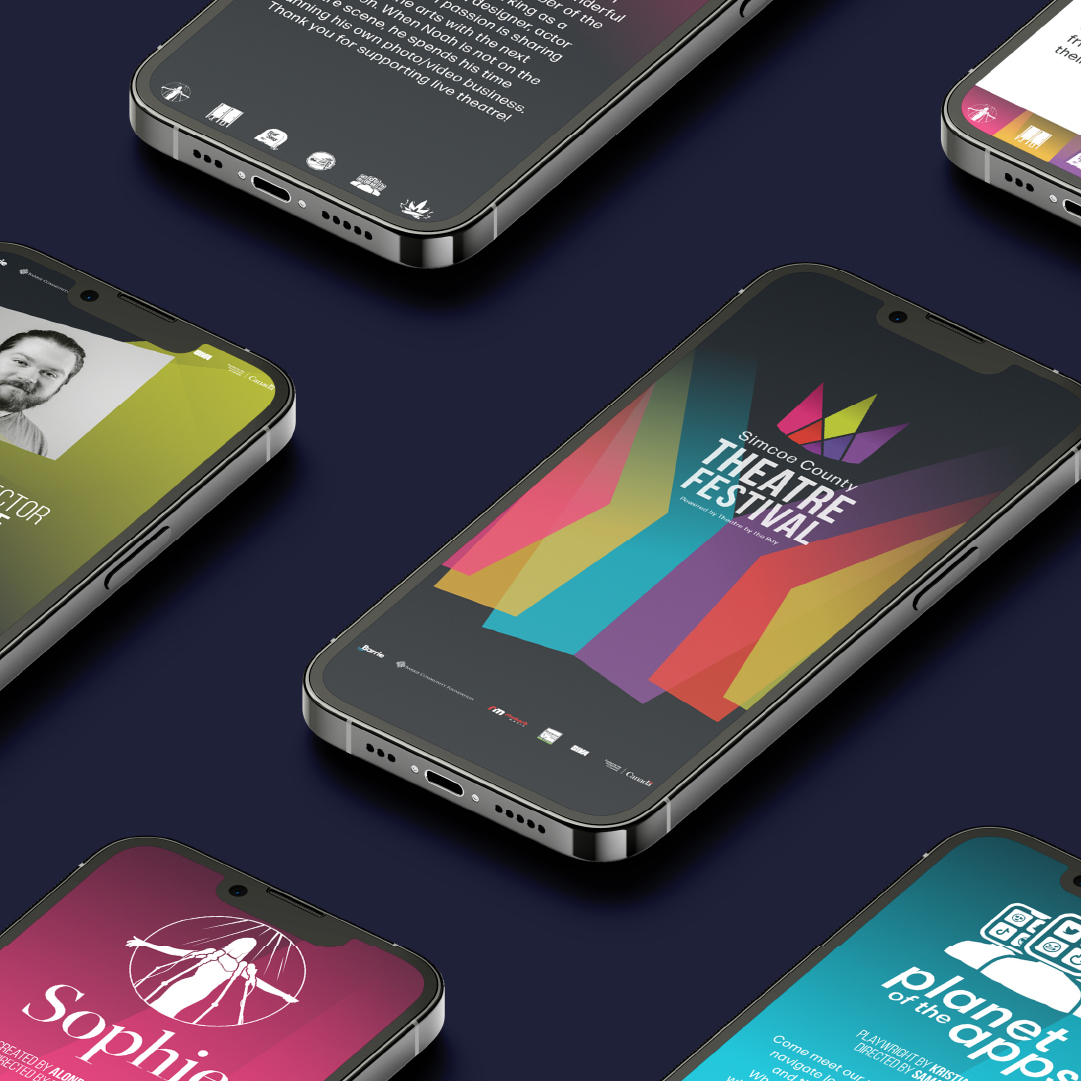
by webteam | Jun 12, 2025 | Branding, Design
Why Your Logo Should Express, Not Explain
At Rhubarb Media, we believe every brand begins with a story. Your Story. Well Told.
Every lasting identity carries a kind of explanation within it. Not a technical one, but a symbolic one. The shapes, colors, and rhythm of a logo often reflect something deeper about a brand’s history, purpose, or character. They hint at meaning without spelling it out. This kind of explanation belongs to storytelling, not instruction.
When we design a logo, we are not trying to describe what a company makes. We are trying to express what it means. The mark becomes a visual shorthand for the story, a signal that evokes the brand’s essence and emotion. It might draw inspiration from heritage, function, or vision, but it does not attempt to explain the mechanics of the product itself.
This is the heart of story-based brand building. A strong brand communicates through layers of meaning. Its identity gives shape to belief and memory, not a diagram of its offering. The story exists just beneath the surface of the form, inviting people to feel what the brand represents rather than simply see what it does.
Beyond the Product
Every company begins with something tangible: a product, a service, or an invention. These define what a company does, and that story belongs to marketing. Marketing explains through words, imagery, and campaigns. It creates clarity and context.
Branding does something different. It gives the story its emotional signal. Through its mark, color, and tone, the brand allows people to sense what the company stands for without ever saying it outright.
When a logo tries to describe its product, it becomes tied to a single moment in time. When it reflects an idea or feeling, it becomes timeless.
Apple’s apple is not about computers. It represents curiosity and creativity.
Nike’s swoosh is not about shoes. It conveys motion and determination.
Starbucks’ siren is not about coffee. It evokes ritual, connection, and warmth.
Walter Landor once said, “Products are made in a factory, but brands are created in the mind.” A logo lives in that space, where design becomes memory and memory becomes meaning.
The Power of Symbolism
Strong branding works through symbolism. A well-designed mark does not tell the story outright; it opens a door to it.
Paul Rand wrote, “A logo derives meaning from the quality of the thing it symbolizes, not the other way around.” A logo gains its strength from what it represents and how it is lived out.
The designer’s work is to distill, not to describe. The goal is to create a form that carries the spirit of the brand in a way that feels inevitable. When this happens, a logo stops being an image and becomes an emblem of belief.
Marketing Explains, Branding Connects
Marketing and branding serve the same purpose but in different ways. Marketing explains how something works and why it matters. Branding gives those facts a heartbeat.
If marketing speaks with clarity, branding speaks with feeling. The logo becomes a visual cue that connects both voices.
Marty Neumeier once wrote, “People don’t fall in love with products; they fall in love with stories, symbols, and meaning.” That is what a logo does when it is done well. It holds the meaning that marketing later puts into words.
Meaning Over Mechanics
Milton Glaser said, “The function of art is to make the invisible visible.” That idea sits at the center of good identity design. The logo’s purpose is to make the invisible values of a company visible through shape, rhythm, and proportion.
Mechanics may change, but meaning endures. A thoughtful identity can hold that meaning for generations, becoming a familiar mark of trust and belonging.
A logo should not try to show everything a company does. It should signal the larger story that people can feel. Marketing explains the product or service. Branding turns that explanation into something people care about.
When clarity in message meets emotion in identity, a company gains more than recognition. It earns belief.
At Rhubarb Media, this is what Your Story. Well Told. truly means. Design becomes more than an image. It becomes the story’s flag, carrying memory, purpose, and meaning wherever it goes.
Designer’s Notes: The Thinkers Behind the Quotes
Walter Landor
Founder of Landor Associates, one of the most influential brand agencies in history. Landor transformed how companies think about branding, moving it from packaging and production to emotion and perception. His agency built identities for Coca-Cola, Levi’s, FedEx, and BMW.
Paul Rand
A pioneer of modern corporate identity who created the logos for IBM, UPS, ABC, and NeXT. Rand proved that design could be both simple and intelligent, that a mark could be timeless if built on concept rather than style.
Marty Neumeier
Author of The Brand Gap and Zag, and one of the first to connect design thinking directly to business strategy. His work reframed branding as the act of creating meaning rather than simply creating visuals. His ideas guide creative teams at Apple, Google, and Adobe.
Milton Glaser
Designer of I ♥ NY and co-founder of New York Magazine. Glaser believed that design should reveal the unseen—ideas, values, and emotions that words alone cannot express. His philosophy gave design its human depth.
Together, these thinkers shaped the foundation of modern branding. Each believed that a brand’s greatest strength lies not in what it shows, but in what it allows people to feel.
by webteam | Apr 24, 2017 | Branding
Create a Brand Name that Withstands the Test of Time
There are a thousand different ways to name your company and depending on the market, you may need to involve a good budget for research, legal services and trademarking.
Below is just one part of that process, but we thought we’d share it with you!
Common Criteria for a good company/app names
It should be:
Meaningful (brand-building may be easier if it does what it says on the tin)
Unique (to avoid confusion / ownership issues)
Short (the shorter the better, for all kinds of reasons. The fewer syllables the better, I think)
Easy to type (if you hear it on the radio could you spell it?)
Memorable (what use is a brand name if you forget it?)
Focus Group (and/or pole)
Go over Common and Specific criteria
Print Name on one side of large card – give each person a stack and have them flip them over, one at a time
Then reveal all – Browse all with little to no talking
Go through them again and do a Gut test – IN or OUT (flip over the OUTs)
Have a chat about the ones they choose and didn’t choose.
Get them to choose their top 3 and label them 1,2,3 in order of favourite.
Internal Team Test
Try it out. Doodle the names – Say them out loud – answer the phone with the name
“Hi, thanks for calling “insert name here” how can I help you?”
is the URL Available? Check for legal problems. Do your own pole to choose THE ONE
BRAND IT!
by webteam | Jul 24, 2015 | Web Design
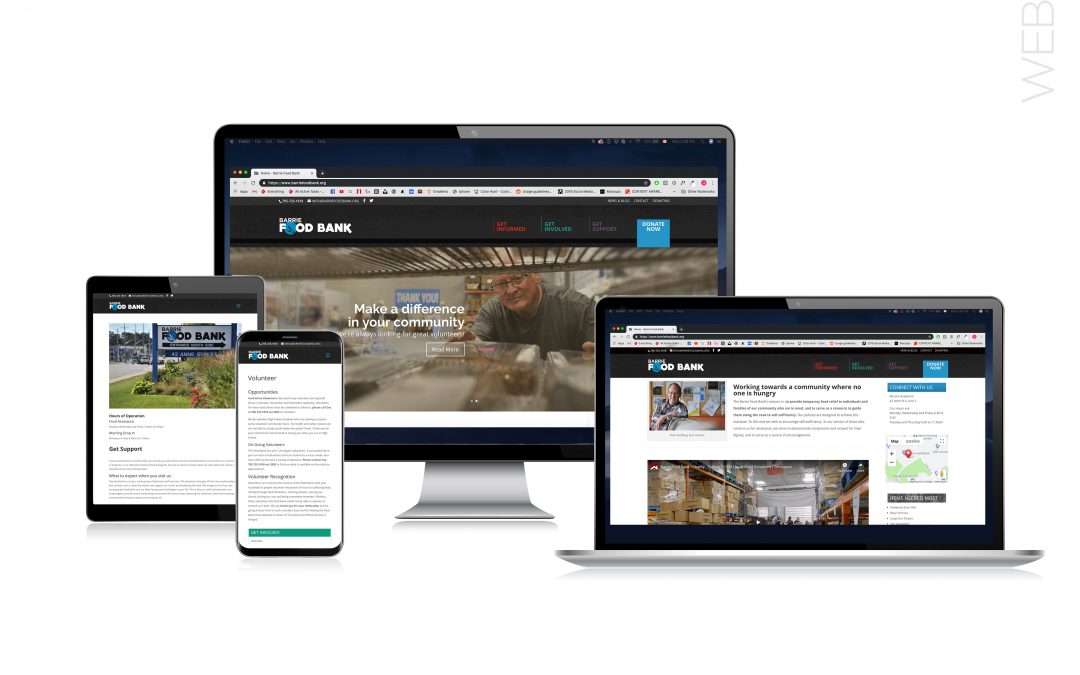
Forbes magazine dubbed 2015 the Year of the Mobile Web. 5 years later… we find ourselves in the age of the mobile device. It is no surprise that there is an immense amount of pressure for website owners to think mobile.
Did you know that the average smart phone user checks their phone up to 221 times a day!! Yikes?!?! That means huge business for e-commerce sites and your virtual storefront. Now your virtual store front can go anywhere the customer does. Even on the trains and subway stations. Yes, that’s right there is now wifi thanks to ideas like t-connect in the Toronto subway stations that means we are connected all the time.
Here are two useful tips from Google™ for optimizing your mobile site speed. Check out Google’s great guide on how to develop a mobile responsive website. Try to load your website on a mobile device and measure the download time.
You’ll want to make sure that mobile users are easily able to tap, drag, pinch, press and flick their way through your site if you’re hoping to make your mobile presence known.
Is your website not mobile responsive or not showing up well on your mobile phone?
Give us a call and we’ll help you out.